Stories | Adaptive Reuse
Adaptive Reuse
Transforming without erasing
The reuse of existing buildings is more than adapting a structure to a new program. It is a spatial and social exercise, affecting the physical, psychological and collective dimensions of people. Architecture does not only build or rebuild spaces. It interprets and transforms ways of inhabiting. For many years, architectural production was based on the logic of replacement: demolish to rebuild, erase to start over. Considering the climate and biodiversity crises, the scarcity of resources and the increasing homogenization of our cities, the reuse of what already exists can no longer be considered a secondary option.
The construction sector accounts for a significant share of global CO₂ emissions. In Europe, nearly one third of all waste comes from construction and demolition activities. At the same time, a large portion of the existing building stock is demolished long before it reaches its technical or structural lifespan. Every demolition represents a loss of materials, energy and labor that have already been invested. Concrete, steel and brick embody not only mass, but also substantial amounts of embedded carbon. Studies show that retaining an existing structure result in lower emissions than completely new construction. The most sustainable square meter is the one that already exists. Yet demolition too often remains the default starting point.
The act of reusing
Reusing does not mean freezing the past or conserving buildings solely for their historical value. It is not simply repetition, attachment, insertion, repair or renewal. It implies deliberate intervention: recognizing the spatial, structural and social qualities of what is already built, and accepting that architecture is always a cumulative process. Structures, façades and circulation systems are all the result of specific economic, technological and social circumstances. A former factory may contain robust column grids and large spans capable of accommodating new programs. A church possesses a spatial monumentality that is difficult to reproduce. A post-war residential neighborhood may offer an open urban structure that allows densification without sacrificing light and air.
Value is not limited to protected monuments. Even seemingly ordinary buildings may possess typological, spatial or collective qualities that shape the character of a place. Existing buildings and neighborhoods contain material, urban and social intelligence that cannot easily be replaced by new construction.
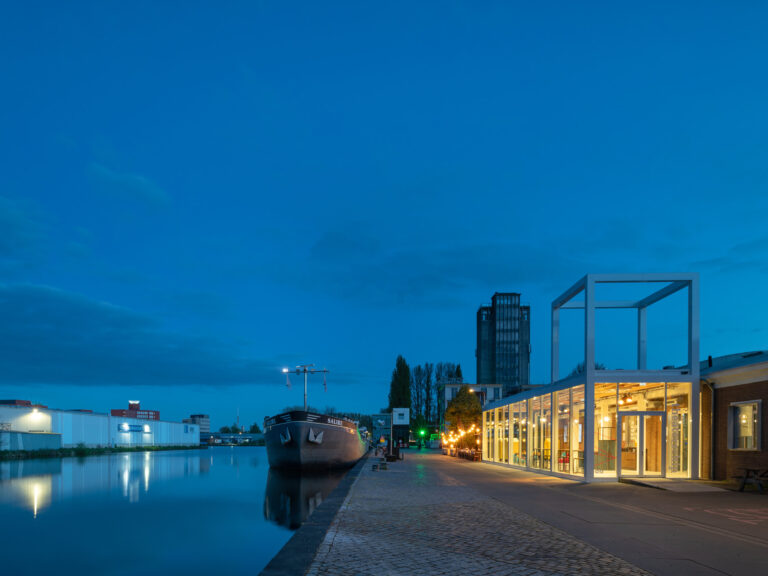
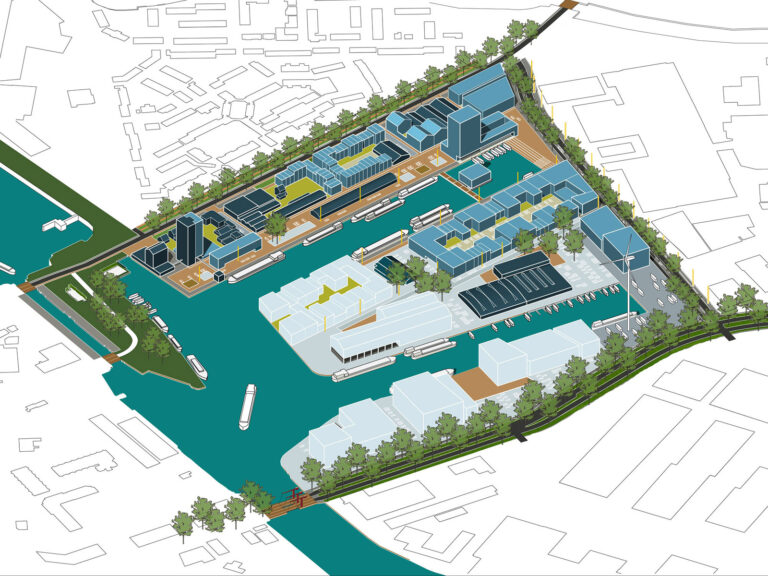
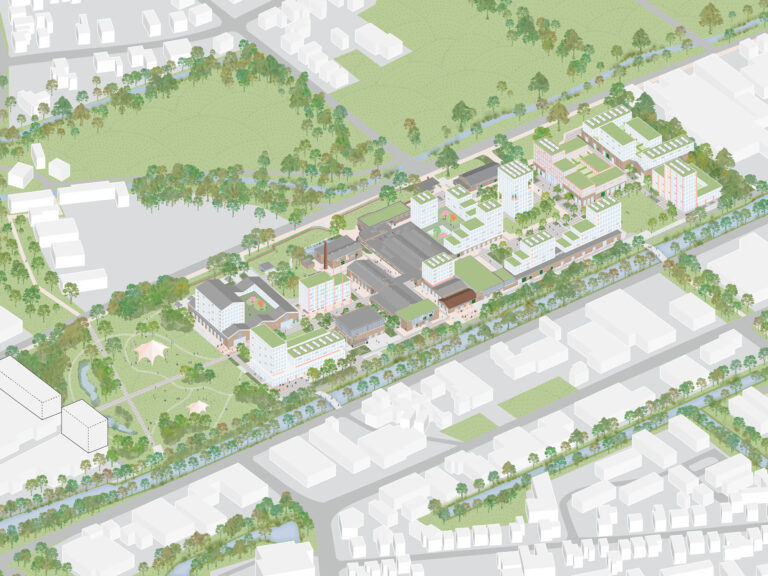
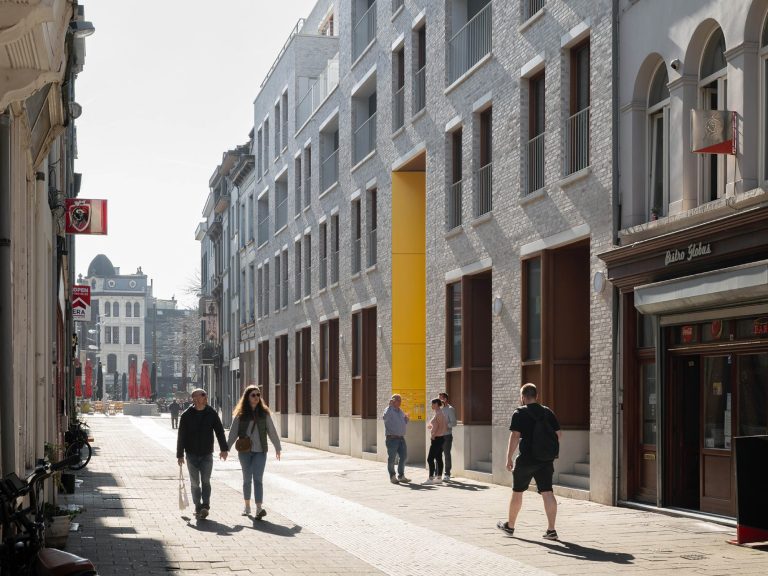
In our urban transformation projects such as Havenkwartier Deventer and the Zwitsal Development Perspective in Apeldoorn, this is precisely the starting point. Before any design decision is made, we ask: what does this place already know? What spatial, structural and social intelligence is embedded in what is already here? The identity and character of a place are determined by layering, a continuous process of additions, subtractions and reinterpretations. Architecture is not a sequence of blank slates. These layers should form the foundation upon which architectural and urban transformation is built. Transformation is not a correction of the past, but a dialogue with it.
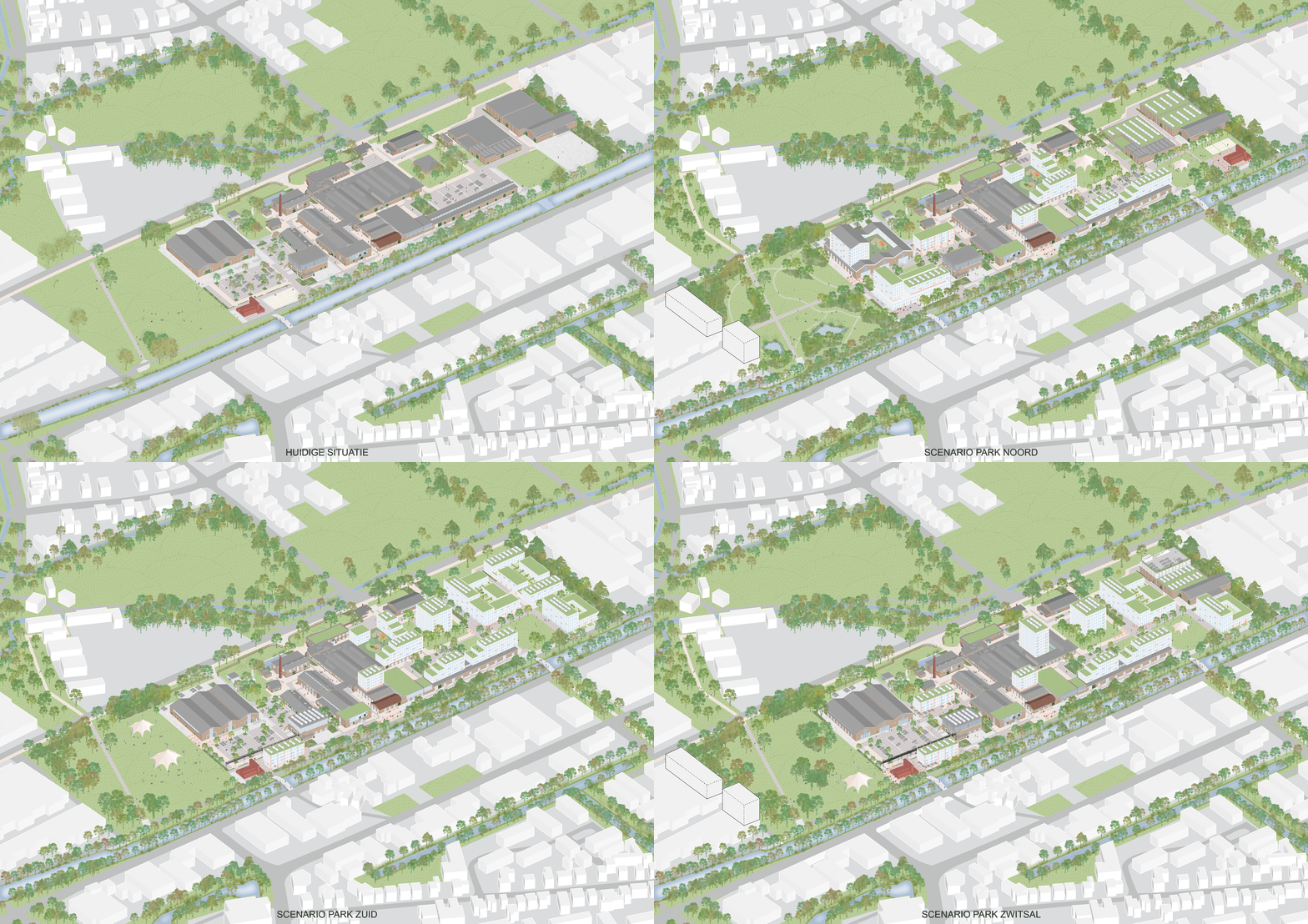
Detecting the Essence
An existing building is not a neutral object. It carries traces of use, time, alterations and appropriation. A history is embedded within it. In the case of monuments or heritage-worthy buildings, the first question is: what constitutes the core of its value? Is it the spatial configuration? The structural system? The material expression? Its position within the city? Or its collective meaning? Identifying that essence requires investigation. Careful evaluation is necessary, distinguishing the essential from the noise. Not everything old is essential. Not everything added is disruptive. From this analysis, a hierarchy emerges: what must be preserved, what can be restored, what may disappear, and where a new layer is needed. The quality of a transformation often lies in what it renders legible once again, the structure, the spatial hierarchy, the rhythm of façades, the relationship between light and mass.
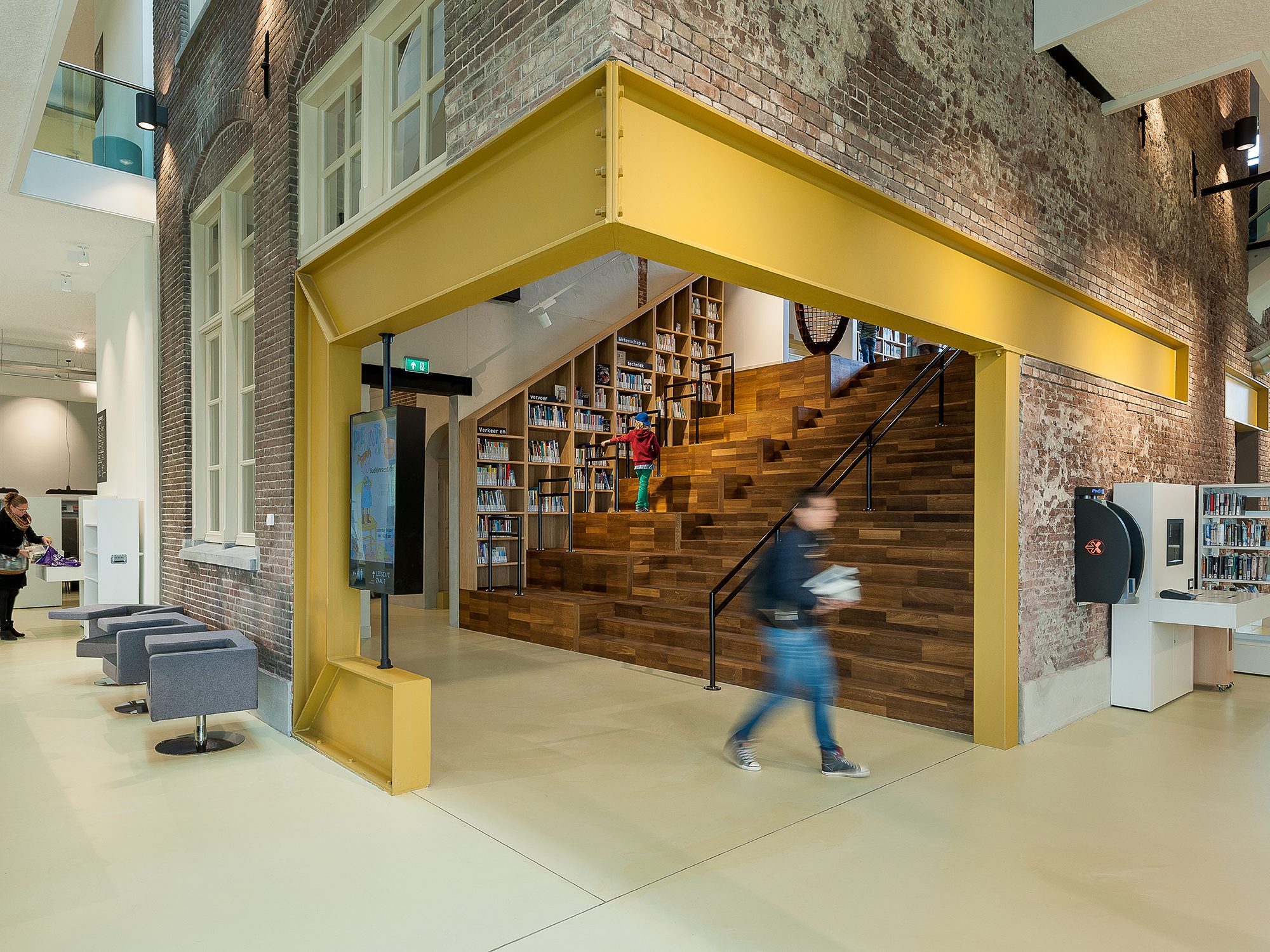
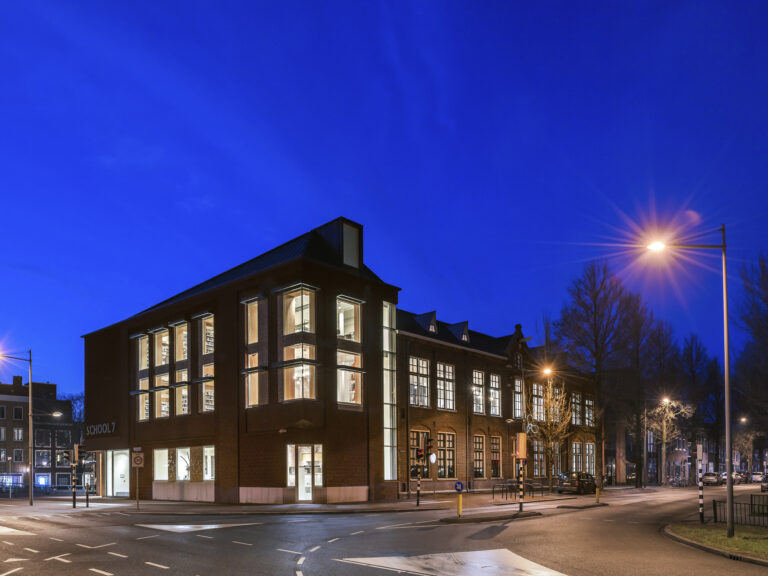
In the Extension of Rijnlands Lyceum in Wassenaar and the Bibliotheek Londerzeel, this process of detection shaped every design decision. The existing buildings were read carefully before anything was added. The new interventions were designed to clarify rather than overwrite. In some cases, adding a new volume that allows the historic structure to remain spatially clear and legible, in others removing later additions to reveal the original structure once more.
The result is not a reconstruction of the past, but a layered composition in which old and new reinforce each other. Transformation does not begin with designing, but with reading.
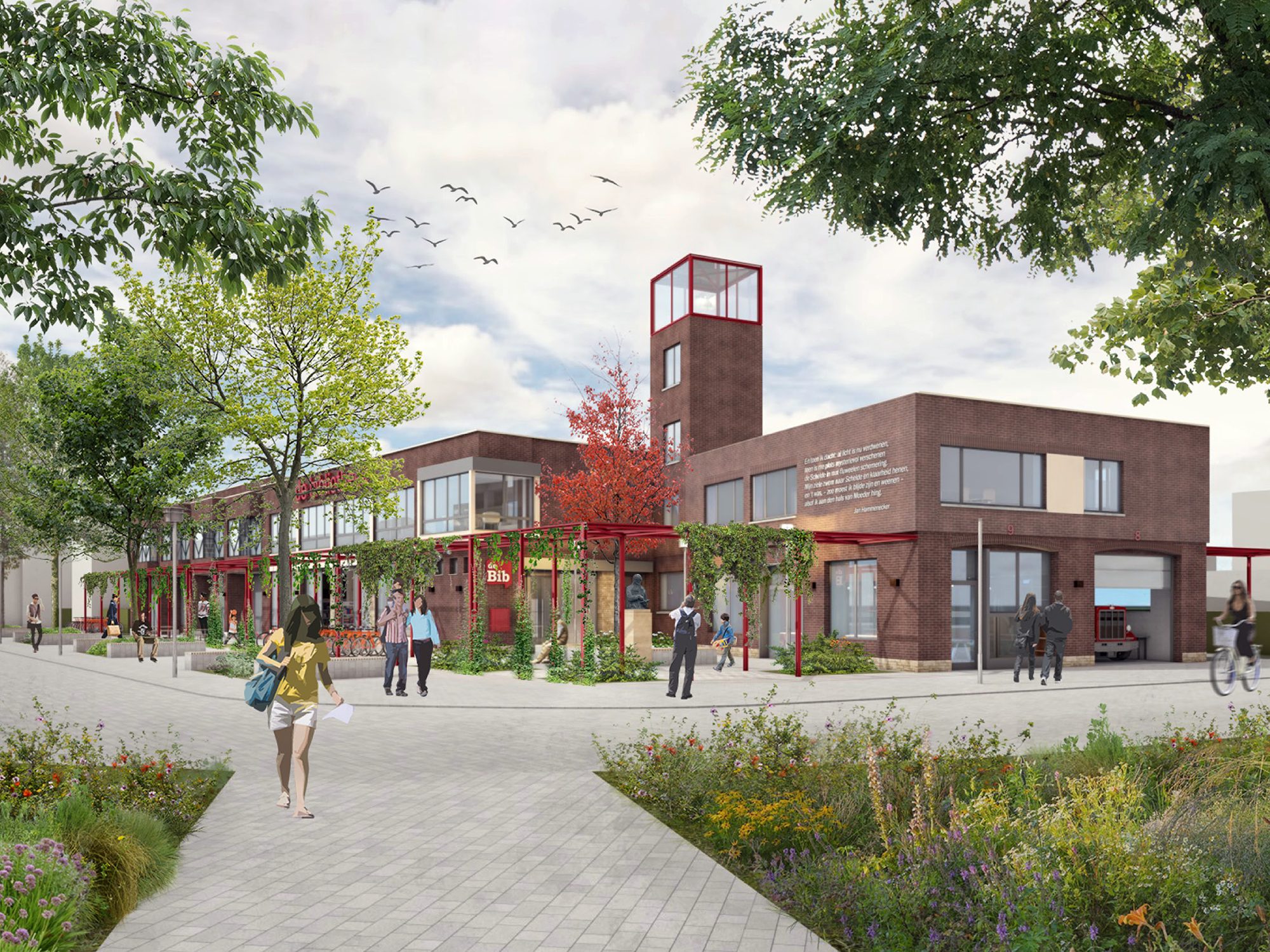
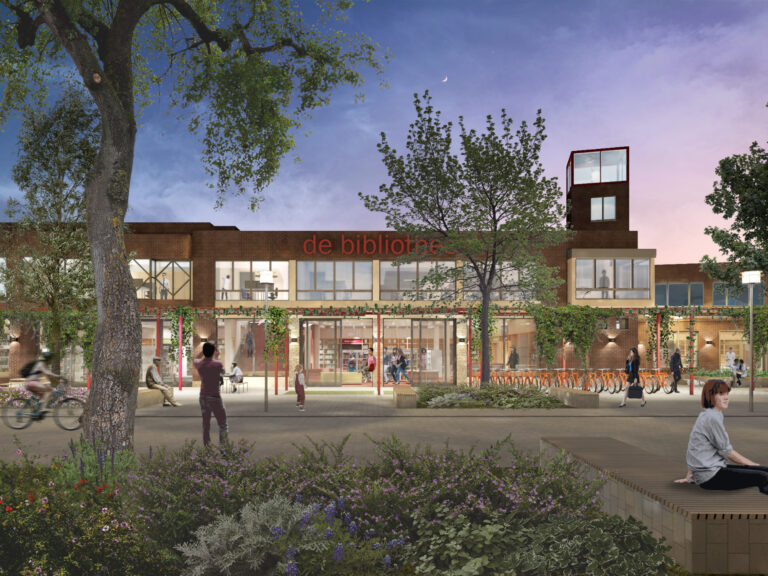
Render of transformation project Library Londerzeel
The Venus Metaphor
To articulate what transformation means in practice, we developed the Venus metaphor, inspired by the Venus de Milo. The Venus, as we know her today, is missing her arms. Yet she is universally recognized as a masterpiece. Her value does not lie in completeness, but in her proportions, materiality and history. The absence of her arms is not necessarily a deficiency to be repaired. It has become part of her identity. If one were to decide to restore her arms, the question would immediately arise: do we reproduce the original arms? Do we add contemporary arms, recognizable as a new intervention? Or do we leave the statue as it is, accepting incompleteness as meaningful? Each choice represents a transformation strategy. Transformation is never neutral. It is always a position in relation to time. Copy, contrast or restraint: every gesture influences how the original work is read.
The same applies in architecture. It is not always necessary to restore a building to an original state. Sometimes it is more valuable to acknowledge later layers. Sometimes a contemporary addition is appropriate and legible as a new layer. Sometimes restraint is the most radical intervention. The question is not how to make a building complete, but how to keep its essence recognizable.
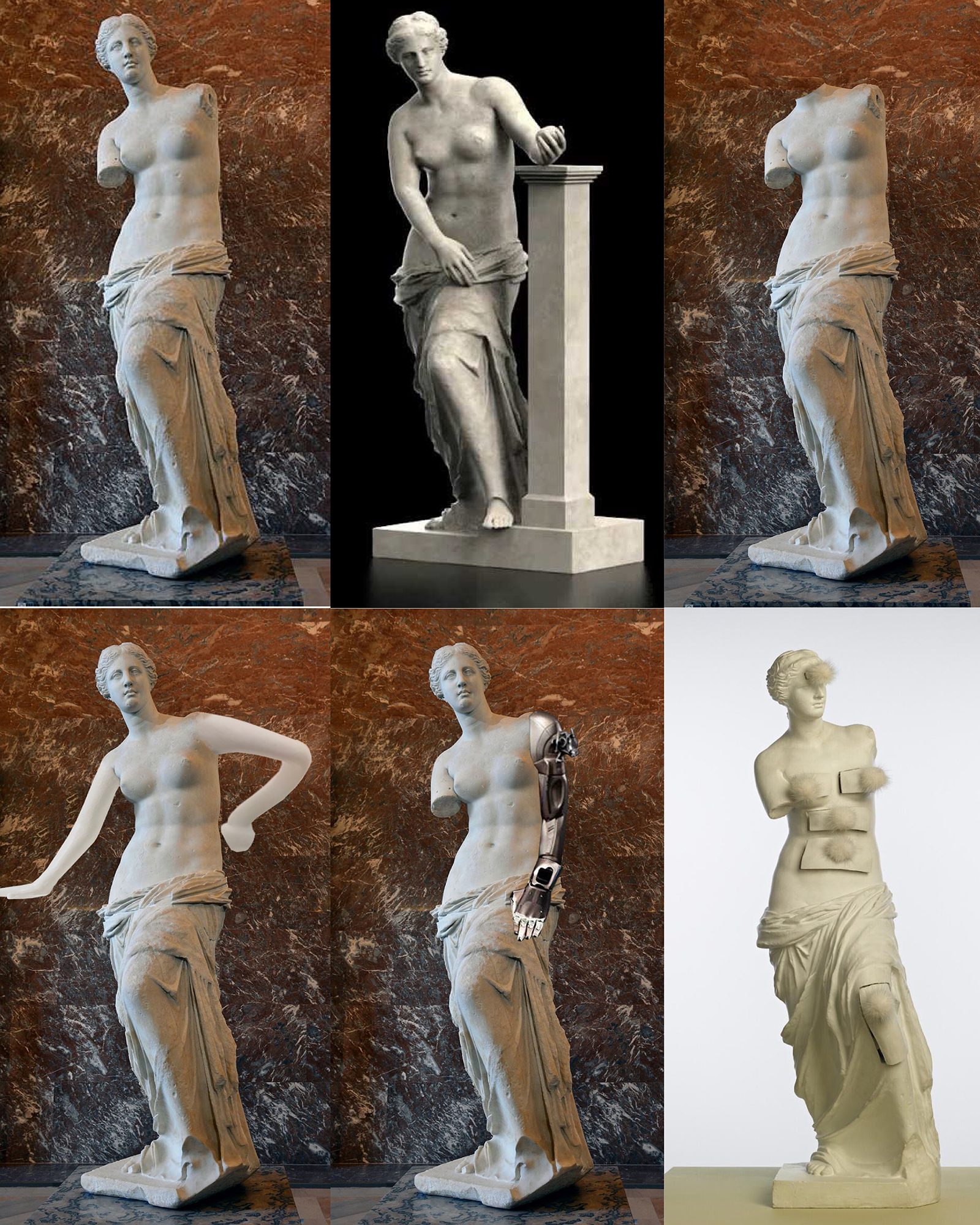
How should we approach heritage?
Old and New in Proportion
Transformation requires precision. The new must not imitate the old, as that leads to historical simulation. Nor may it overwhelm the existing with autonomous expression. The addition must stand in proportion to what is already there: serviceable but not subordinate, contemporary yet respectful. The distinction between old and new may remain legible, not as spectacle, but as acknowledgement of time and continuity.
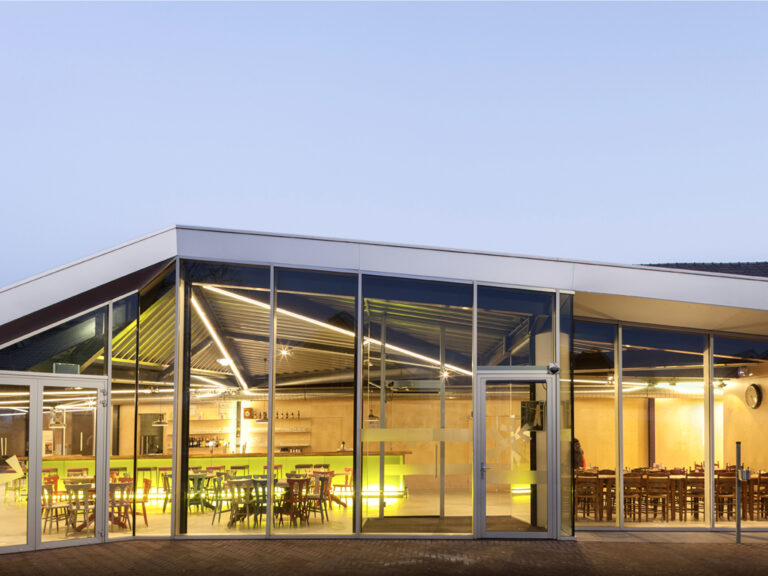
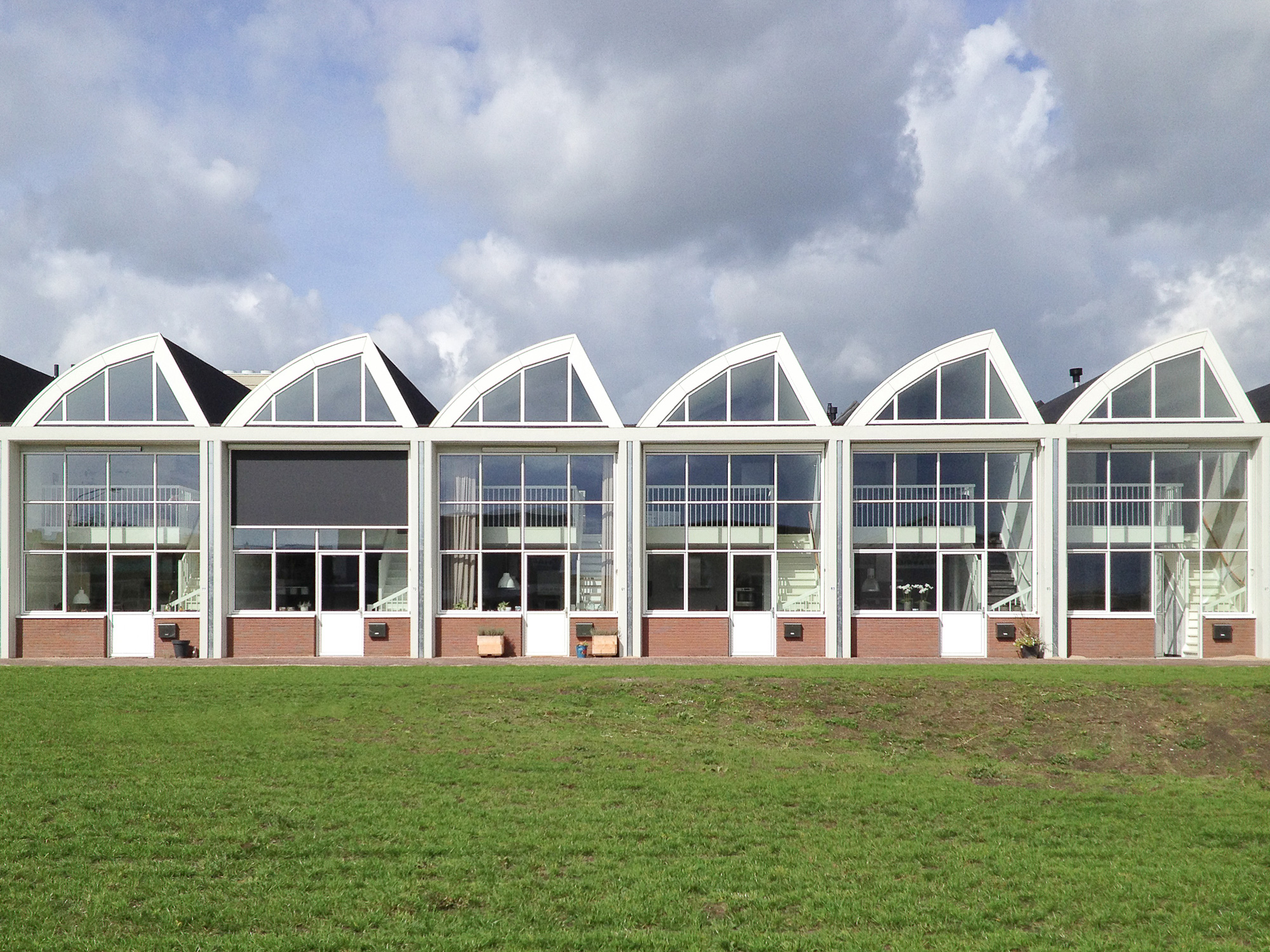
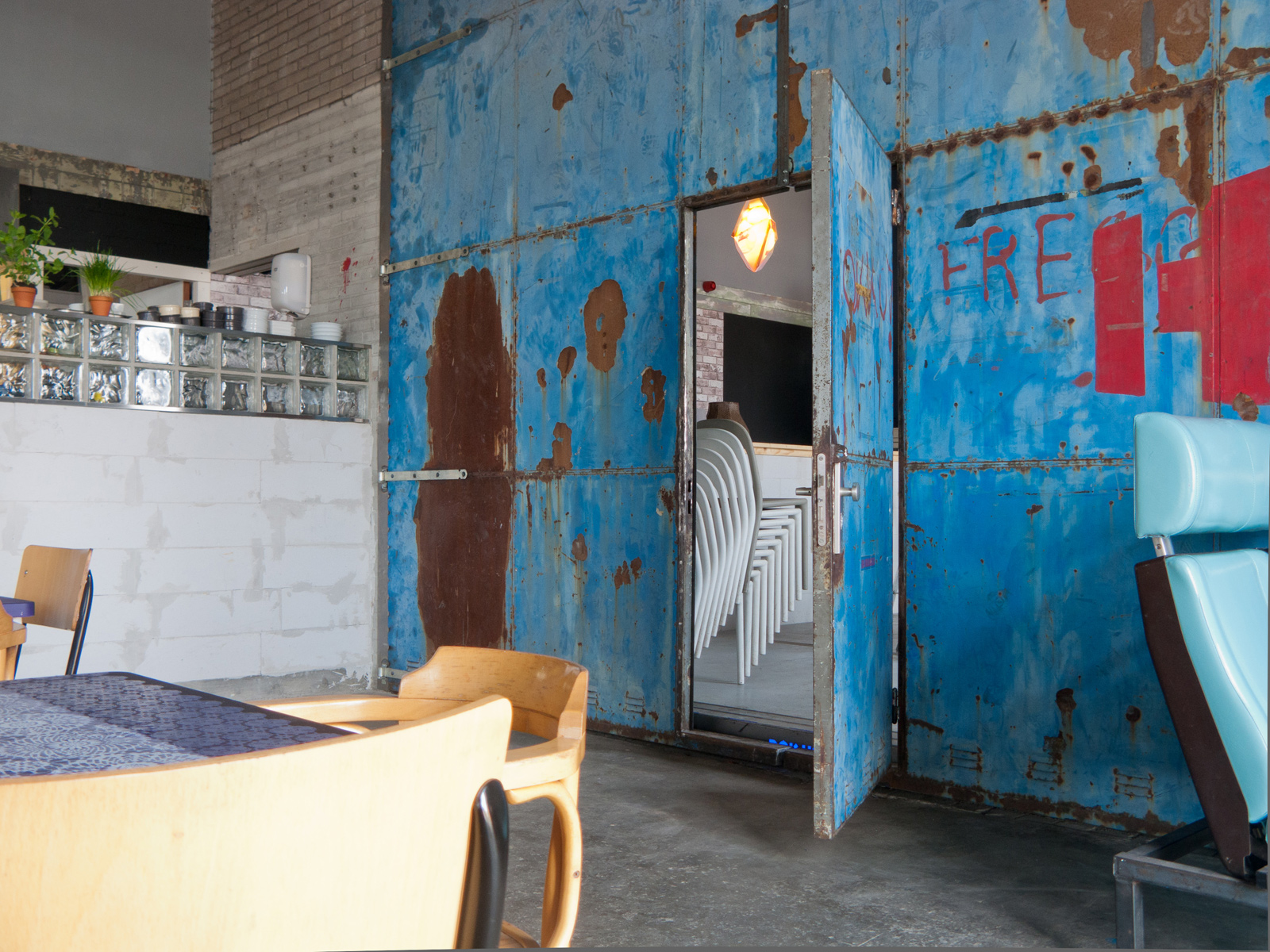
In Woonfabriek Hogeweg and Kulturhus Dinxperlo, this balance was central to the design process. Both projects involved existing structures with a strong spatial character that could not and should not be erased. The new elements were sized, positioned and detailed to enter into conversation with what was already there, neither mimicking nor competing, but completing.
Transformation also requires negotiation. New requirements regarding comfort, accessibility, safety or use often clash with existing structures and dimensions. This tension is not a problem to be erased, but part of the design itself. Every intervention is a negotiation between what the building was and what it needs to become. The quality of the design lies in resolving that tension without losing the essence.
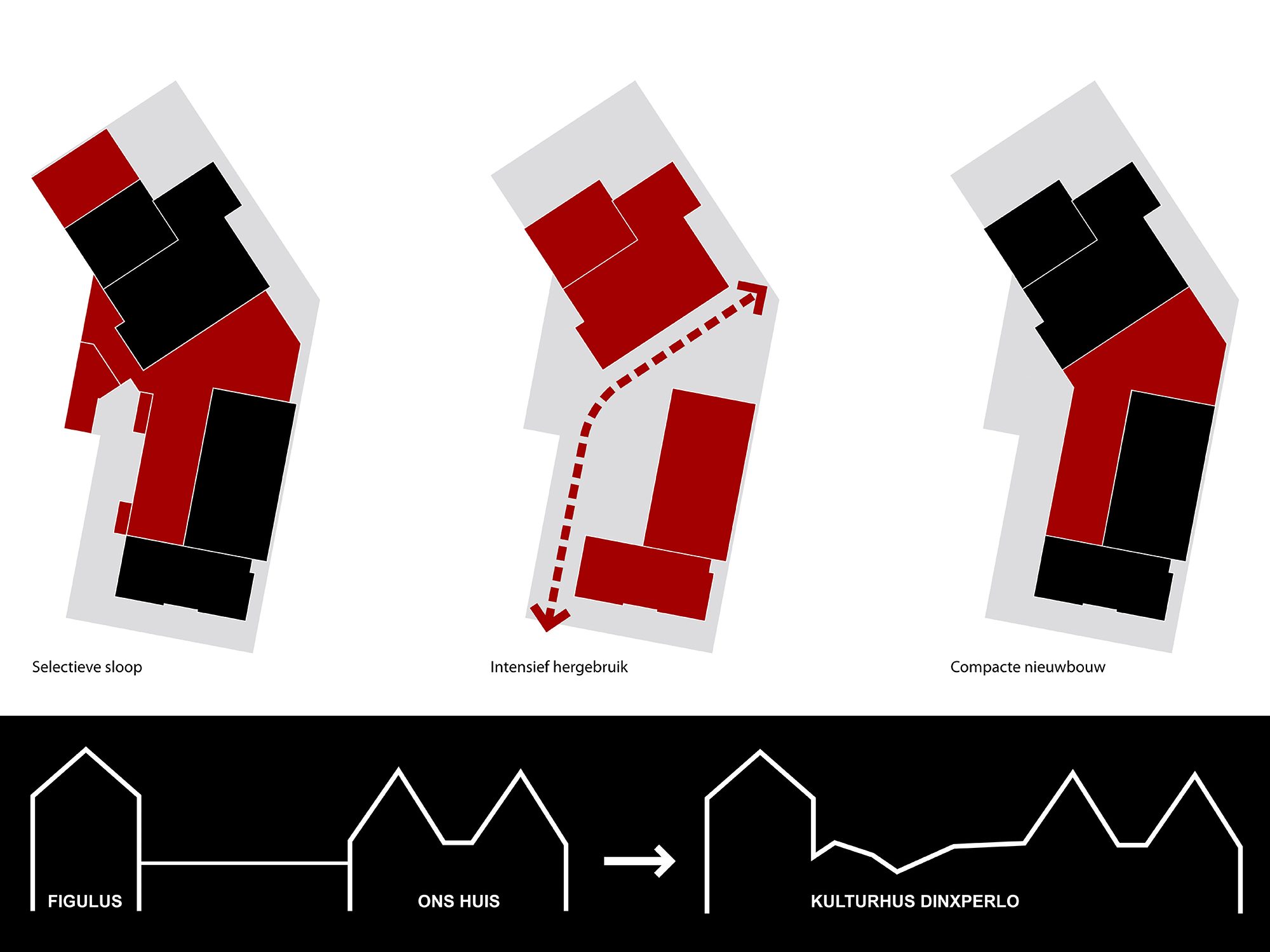
Smart reuse @ Kulturhuis Dinxperlo
Users as Carriers of Meaning
In transformation projects, there are not only walls, but also users. Their routines, memories and informal uses are part of a place’s identity. They know the hidden qualities, the seasonal patterns, the meeting points and the spaces that are absent from any drawing. Design becomes richer when this knowledge is acknowledged. Transformation changes not only space but also use and experience. It therefore requires dialogue and attention to continuity.
In the Havenkwartier Deventer, the existing harbor community, its working culture, its attachment to the water, the sheds and the rhythms of industrial life, was central to how the development vision was shaped. The transformation did not impose a new identity from above, but developed one from within, building on what the place already meant to the people who knew it best. This is the dimension of reuse that is hardest to quantify and easiest to overlook. But it is often what determines whether a transformed building or neighborhood truly comes alive.
Transformation as the Next Layer
Every building is the result of previous interventions. Transformation does not fix a definitive state but adds a new layer to an existing history. The architect is neither the first author nor the last. By carefully identifying what defines the character of a place and strengthening those qualities, the building’s identity can continue to guide its future. At the scale of the neighborhood, this long-term perspective becomes even more urgent.
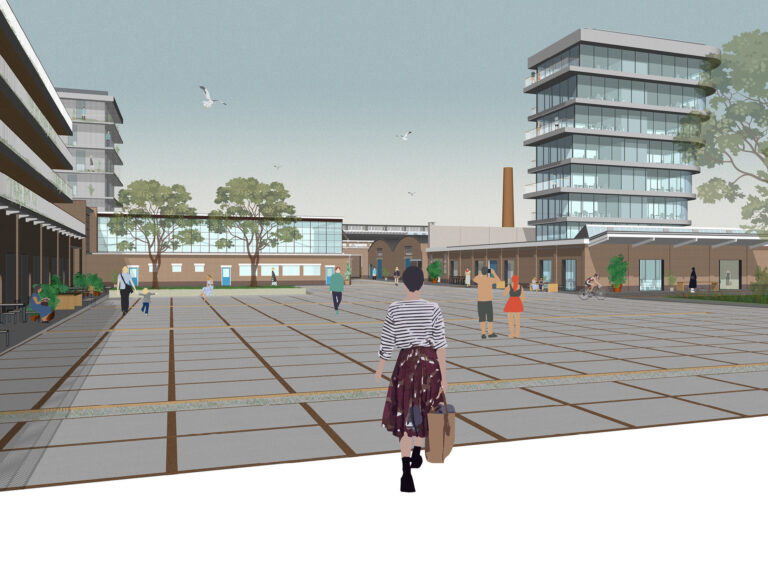
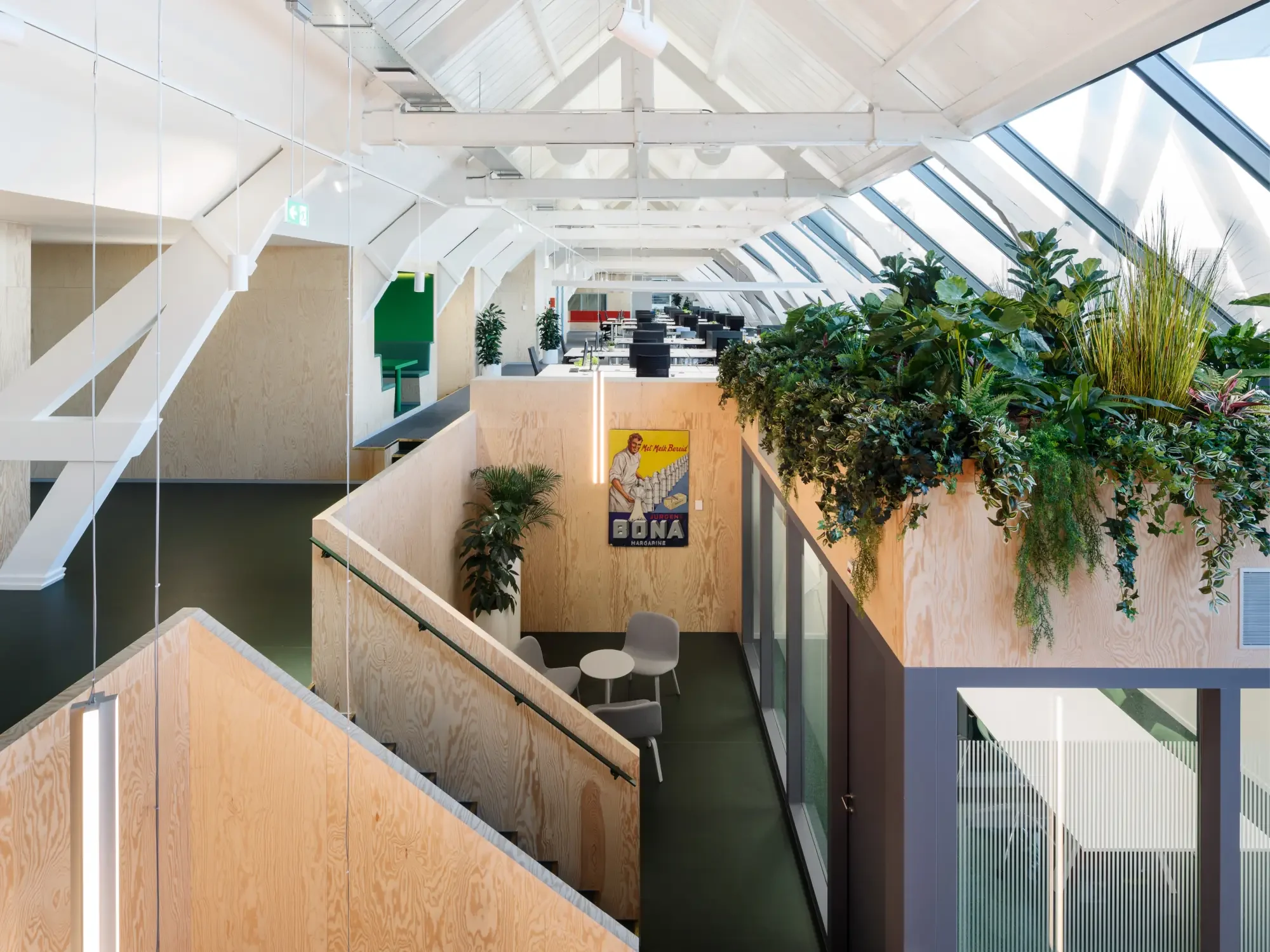
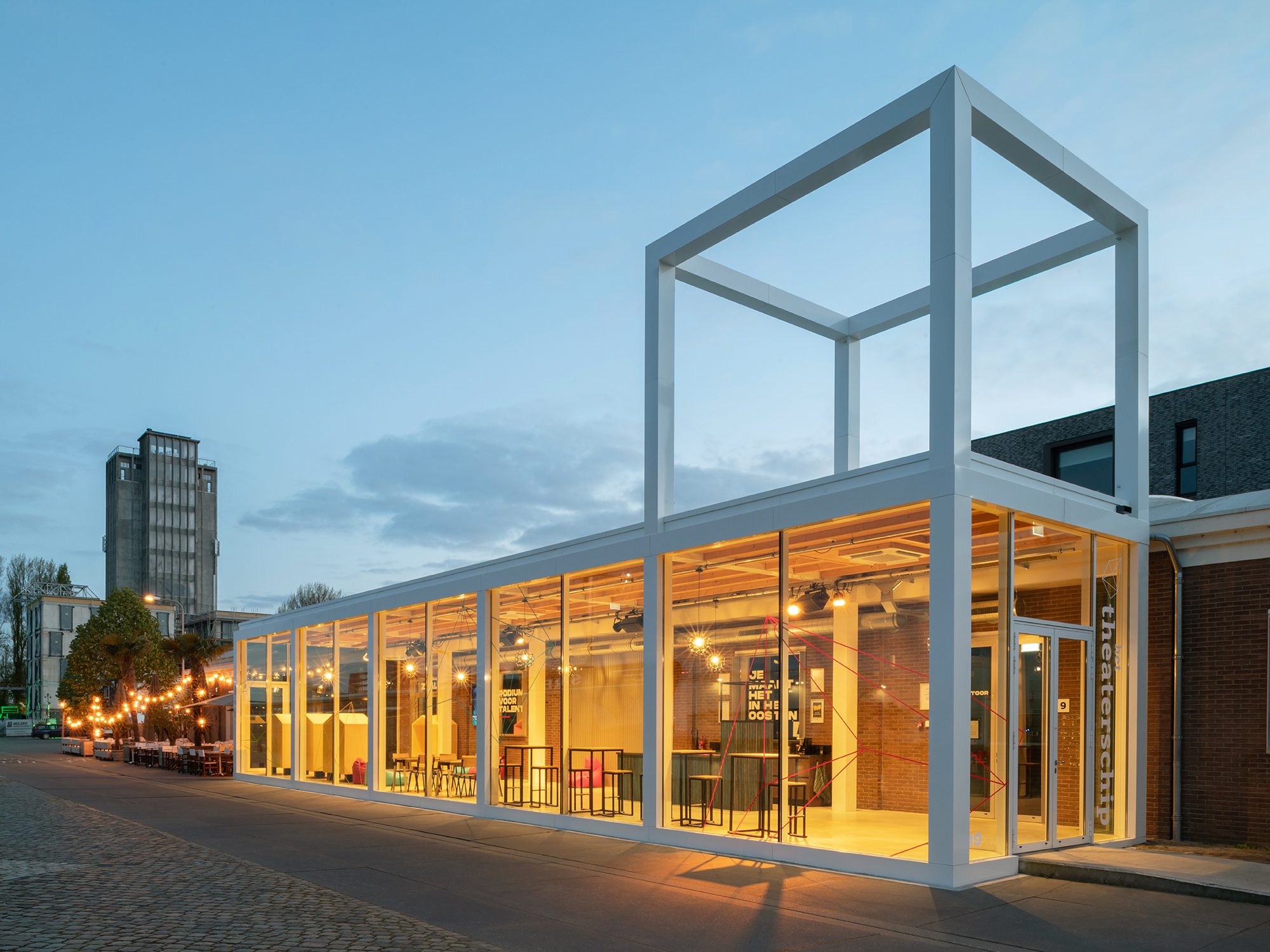
In the Zwitsal Development Perspective in Apeldoorn, the question was how an entire industrial site could be reimagined without erasing the spatial and material memory that gave it its identity. At the scale of the individual building, projects such as Bodenloods and Foyer show how an existing structure can absorb a new program while remaining legible as what it once was. In both cases the approach was the same: add a new layer that strengthens rather than overwrites, and leaves room for the layers still to come. The answer is never the same twice. But the attitude is consistent: read carefully, intervene precisely, and always leave room for the next layer.
Transforming Without Erasing
Adaptive reuse does not mean preserving everything, nor replacing everything. It requires a careful and nuanced architectural attitude: the ability to read what is already there, detect its essence and integrate it into a contemporary design so that historical values do not disappear, but continue to shape the identity of the place in the future. Reuse proposes a deeper form of sustainability, the ability for buildings and neighborhoods to remain useful, legible and appropriable over time, both physically and mentally. Not as museums of the past, but as living structures that carry their history forward while making room for new life. The most sustainable building is the one that is already there. The most meaningful transformation is the one that knows what to keep.